


How Sports Medicine Acupuncture® Changed the Approach for Treating Shin Splints (And Why Light Therapy Makes It Even Better)
- Dec 3, 2025
- 5 min read
Shin splints are a common injury for runners, dancers, lifters, and field athletes. They come on fast, stick around, and often get worse with the wrong treatment approach.
As one of the few practitioners in the state of Colorado trained in Sports Medicine Acupuncture®, I’ve been taught and studied the approaches for treating shin splints. Common needle techniques used for low back pain, quad strains, and other injuries respond to direct motor point needling fantastic. Through research and training, we've found that shin splints are not the same, and actually get worse and can extend recovery times to needle directly into the muscle belly and surrounding motor points.
Today I’m sharing my method of choice for treating shin splints, and how adding the LUMEBOX therapy light increases recovery time. (get 40% off LUMEBOX).
If you’re local to the Denver Metro / Centennial, Colorado area and want to get your shin splints treated professionally, you can book an appointment here → BOOK NOW.
⭐ Understanding Shin Splints: Why Aggressive Needling Makes Them Worse
Most muscles respond well to myofascial work, needling the muscles' motor points, and movement as therapy. Breaking up the tissue or stimulating electricity to the muscle belly is a common and well used practice to treat pains such as low back pain, hip pain, and rotator cuff injuries. BUT shin splints have a different approach.
👉 Shin splints are often a fascial irritation problem—not a muscle or bone problem.👉 Aggressive needling increases irritation.👉 Strong stimulation (e-stim) often makes symptoms flare.👉 The tibialis anterior + periosteum region responds MUCH better to gentle, superficial work.
This is why regular self-Theragun or even massage treatment doesn't provide quick healing as they do to other common athletic injuries and pains.
⭐ Method of Choice
Sports Medicine Acupuncture® training taught me, through clinical research and cadaver work, an approach most therapists needling haven't learned:
Instead of needling deep into inflamed tissue, the SMA approach emphasizes:
✔ Superficial fascia needling
A non-invasive, line of multiple short needles threaded across the top of the muscle, vs aiming for the muscle belly and motor points.
✔ Needling specific fascial train points
Shin splints are rarely just a “shin problem”—they often involve the foot, hip, and core stabilizers. Adding motor points for the foot arch, and peroneal muscles helps a ton.
✔ Stimulating the body to down-regulate irritation
Not turn it up.
✔ Treating the tensegrity system, not just the symptom
When the fascia relaxes, the shin splint inflammation quiets down FAST.
This is why athletes usually feel lighter, looser, and more supported after treatment rather than bruised or sore.
👉 Shin splints respond best to calming treatments, not aggressive ones.
⭐ Why I Combine Light Therapy With Needling
Being hands-on in recovery rooms with UFC and NFL athletes for over 8 years now, I often add red light therapy to injured areas during treatment.
🔴 Red Light Therapy Benefits (Shallow–Mid Tissue Level)
Red light (around 630–660 nm) works on surface-level tissues and upper fascia.
Red Light Therapy Helps With:
reducing inflammation in superficial tissues
promoting faster cellular repair
increasing ATP (cell energy production)
soothing irritated fascia near the surface
improving blood flow and circulation
calming periosteal irritation without aggravation
reducing muscle tension in the anterior shin
supporting recovery from mild soft-tissue injuries
decreasing sensitivity in inflamed tissues
🔥 Infrared Light Therapy Benefits (Deep Tissue Penetration)
Infrared light (810–850+ nm) penetrates MUCH deeper than red light—up to several centimeters.
Infrared Light Therapy Helps With:
penetrating deep muscle + fascial layers
accelerating healing of deeper shin tissue involvement
reducing chronic inflammation and swelling
supporting bone + connective tissue repair
improving circulation in deeper leg compartments
aiding recovery from overuse injuries (runners, jumpers, field athletes)
helping release deep fascial adhesions
decreasing pain levels by reaching deep nerve structures
improving oxygenation and nutrient delivery
If you’re local to the South Denver / Centennial, Colorado area and want to get your shin splints treated professionally, you can book an appointment here → BOOK NOW.
⭐ When combined, red light + infrared light target both surface-level irritation and deep fascial tension — making them ideal for stubborn shin splints.
If you're a provider or athlete and don't have yourself a LUMEBOX yet, these portable devices offer Red Light and Infrared Wave Lengths in the same unit! Perfect for shin splints and pain. Select 3 Modes 1. Red Light only 2. Infrared Light only 3. Combo. The device runs for 12 min cycle, then powers off. Ideal for recovery spaces, clinic rooms, and travel to games/events.
⭐ superficial fascial needling + localized red light therapy + infrared light
is one of the fastest ways to reduce shin splints.
My favorite device for athletes and active people at home is LUMEBOX — it is compact, powerful, and extremely effective for lower-leg injuries.
And right now, you can get 40% off using my practitioner link👉 SHOP
This combo bridges the gap between in-clinic precision and at-home recovery, and most athletes feel improvement within days.
⭐ At-Home Shin Splint Care for Athletes
Here are my top recommendations if you’re dealing with shin splints:
✔ 1. Avoid aggressive massage, scraping, or deep needling
These almost always make symptoms worse.
✔ 2. Use red light therapy daily
12 minutes 3x a day on the shin and calf region.
✔ 3. Reduce running volume temporarily
But don’t stop all movement.
✔ 4. Add foot + calf strengthening
Especially tibialis anterior activation.
✔ 5. Get assessed by a trained Sports Medicine Acupuncturist®
The fascial tension patterns matter.
⭐ For Other Providers: Why You Should Consider This Approach
If you’re a PT, DC, LAc, ATC, or personal trainer, here’s what I can tell you:
Athletes heal faster when you:
calm the irritated tissue
treat the fascial lines
reduce neurological tension
avoid poking directly into active inflammation
You don’t need to overhaul your practice—but adjusting your methodology for shin splints can produce better outcomes with less flare-up.
If you’re local to the Denver Tech Center/ Centennial, Colorado area and want to get your shin splints treated professionally, you can book an appointment here → BOOK NOW.
⭐ Final Thoughts: The Best of Both Worlds
Shin splints are stubborn—but not complicated when you understand the fascial component and provide tissue-calming treatments.
My go-to combination:
⭐ Superficial fascial acupuncture + Red Light Therapy
If you want the device I use and recommend for athletes at home, here it is:
👉 Get 40% off a LUMEBOX here 👉 SHOP
Whether you're an athlete, a parent of an athlete, or a provider treating active individuals, this method works.
COMPLEMENTARY RECOVERY PRODUCTS
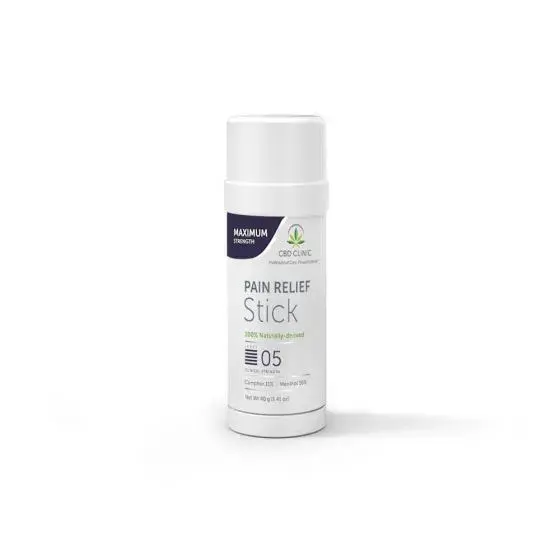
CBD CLINIC PAIN STICK- This is fantastic for instant pain relief. Low back pain, migraines, and pediatric teething. This menthol-enriched CBD stick acts fast. This CBD product must be ordered with my practitioner's license. Order here and it will be shipped to you.👉 BUY NOW
Normatec compression legs- the best way to heal is to keep promoting blood flow. These compression legs really work on a professional level. SHOP NORMATEC

Epsolution soaks- when I tell you there's nothing like this for magneisum soak, I mean it. This is hands down the best product I've ever used for health and wellness. Right now they are rebranding, and their site is down, but if you need a bag- message me on Instagram @theacujackie and the owners will ship it out to you.
**Note. This post may contain affiliate links. I may receive a small amount of payment for product purchases. All products listed are ones I use every day and highly recommend.